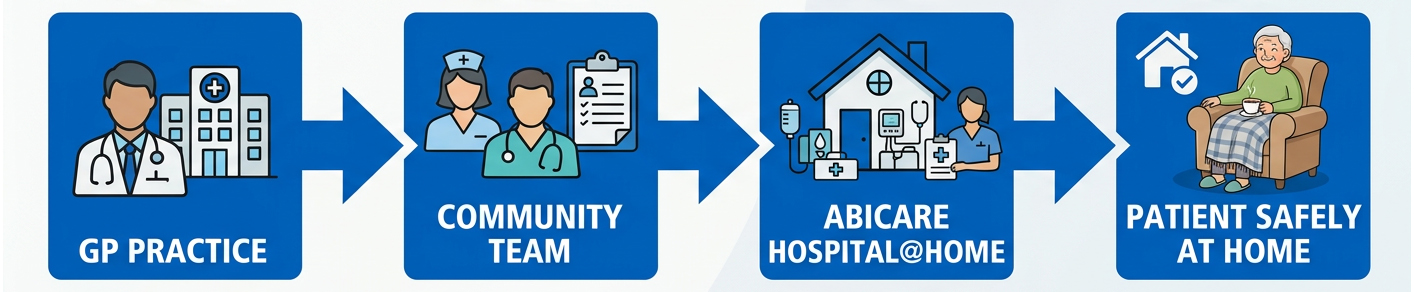
Neighbourhood care was meant to be one of the flagship ideas in the NHS Long Term Plan. It aligns perfectly with the three strategic shifts the NHS keeps returning to: moving from treatment to prevention, shifting activity from hospital to community, and using digital tools to support proactive care. In theory, it should be one of the most patient‑centred models we have.
But the concept has drifted.
Instead of strengthening the services people already trust: their GP practice, their community nurses, their local multidisciplinary teams, neighbourhood care has too often been interpreted as new buildings, new estates, and new organisational structures. The risk is obvious: more fragmentation, more complexity, and less continuity.
The Royal College of General Practitioners has been clear. Neighbourhood care should not be about capital projects or private finance initiatives. It should be about giving primary care teams the staffing, pathways, and clinical capability to safely keep people out of hospital.
Because the NHS must serve people, not organisations.
Where Abicare Hospital@Home Fits In, A Two‑Pronged Model
If neighbourhood care is going to work, it needs practical, scalable, clinically safe alternatives to hospital admission and hospital stay. Abicare Hospital@Home provides both.
1. Keeping people out of hospital (the first prong)
Healix strengthens general practice rather than bypassing it. Our model reinforces continuity by ensuring acute episodes, IV therapy, complex wound care, exacerbations of long‑term conditions etc, can be managed at home without breaking the link with the registered GP.
We provide:
Rapid response nursing
Consultant‑led virtual oversight
Diagnostics in the home
Hospital‑level interventions delivered safely in the community
This is the practical infrastructure neighbourhood care needs to prevent avoidable admissions.
2. Getting people home sooner (the second prong)
Neighbourhood care is not only about prevention. It is also about flow freeing hospital beds, reducing length of stay, and supporting earlier discharge.
Abicare Hospital@Home works directly with hospital clinicians to:
Identify patients medically optimised for discharge
Transfer hospital‑level care into the home
Maintain consultant oversight remotely
Provide daily nursing visits, monitoring, and escalation
Deliver treatments that would otherwise keep patients in hospital
This means patients leave hospital sooner, recover at home, and remain under safe clinical supervision. Hospitals regain capacity. Patients regain independence. Neighbourhood care becomes real.
Why This Two‑Pronged Approach Matters
Neighbourhood care only succeeds if community teams can absorb activity from both ends of the system:
Front door: preventing admissions
Back door: accelerating discharge
Abicare Hospital@Home is one of the few models capable of doing both safely, consistently, and at scale.
It supports:
Flow and bed capacity
ED crowding reduction
Continuity with general practice
Digital‑enabled monitoring and escalation
Prevention through proactive outreach
Stabilisation of long‑term conditions
Person‑centred care delivered where people live
This is neighbourhood care in action not another building, not another organisational layer, but a clinically robust service that strengthens the parts of the NHS that matter most.
A Clearer Vision for Neighbourhood Care
Neighbourhood care should be defined by what works:
Strong general practice
Integrated community teams
Flexible outreach
Digital enablement
Continuity of care
Safe alternatives to hospital admission
Safe alternatives to prolonged hospital stay
Abicare Hospital@Home delivers all of these. A genuine two‑pronged model that keeps people out of hospital and gets people home sooner supporting clinicians, protecting capacity, and improving patient experience.